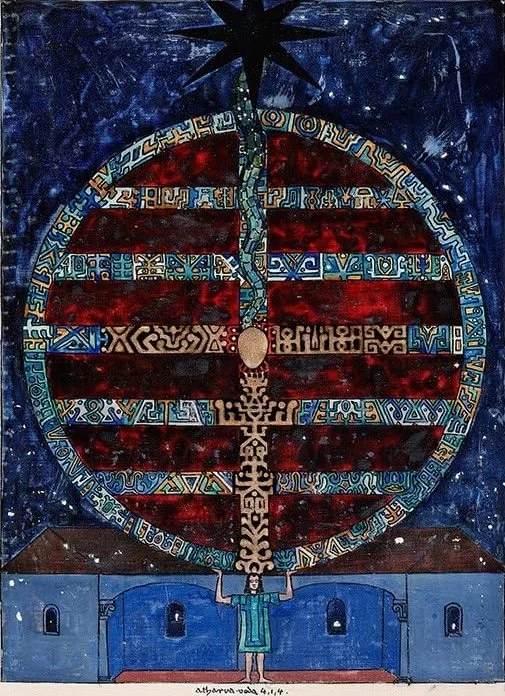
Carl jung
the red book
the healing of izdubar
“This opens up whole new avenues of research I’d never even dreamed of. Because of what you’ve shown me this afternoon—not just what you’ve said, but what I have actually felt and experienced—I feel that from now on music should be an essential part of every analysis. This reaches the deep archetypal material that we can only sometimes reach in our analytical work with patients. This is most remarkable.”
Carl Gustav Jung, response to the pianist and music therapist Margaret Tilly, 1956.
The Way of What Is to Come
The EuMuse blog is composed with a goal to help us become more aware, more expressive, more creative, and more inspired to simply work beauty with our minds. It is an invitation to an experience that may expand our hearts and minds. This can open us to new understanding of ourselves and our world, enhancing our lives and thus allowing us to enhance the lives of others.
Were we to turn around, look outside, look inside, and recognize the assumptions we hold about the world as purely that, merely assumptions, perhaps then we could step back from those beliefs long enough to begin to change them.
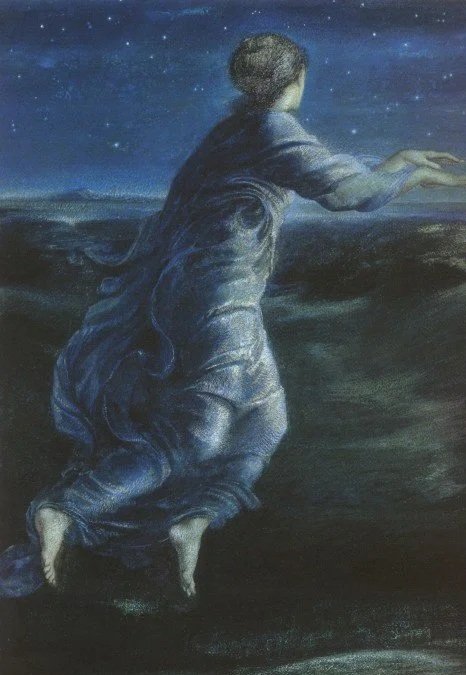
edward burne jones. night, 1870.
“The language of stars is music and song.”
Giordano Bruno (1548-1600)
The Why Behind Asking Why Music?
"Assuming that an absolutely correct and complete explanation of music,
accounting for all the details, were to be conceptualized, that would also immediately be a satisfactory explanation of the world in other words, true philosophy." Arthur Schopenhauer (1788-1860)
It has often been claimed, especially since Kant, that music is the art of time. Objects of musical perception, i.e., tones and tonal relations, are presented to the listener progressively in time. The only way to experience it is through listening. And the road to that is time. There is no shortcut to find the meaning. In music (like in life), one doesn't make the finale i.e., the end of a composition, the point of the composition. Perhaps our happiness (as suggested, for example, by the French word for happy=heureux; and heure = hour, time) may well consist primarily of an attitude toward time.
For thousands of years, indigenous cultures the world over have been using the most intriguing range of memory technologies – including songs, stories, drawings, and dance. Thus, cultures without writing were recording and storing their knowledge of astronomy, navigation, calendars, plants, and animals within their environment with the help of a song and visual imagery. Their vast “portable” encyclopedia was stored in an interwoven memorized web tied to an imagined memory palace or a real landscape. Their memory palaces were spread across the land, structured by sung pathways referred to as songlines. A songline then provided a table of contents to the entire knowledge system.
How does the “invisibilia” of invisible forces influence human behavior, memories, ideas, beliefs, emotions, and assumptions today?
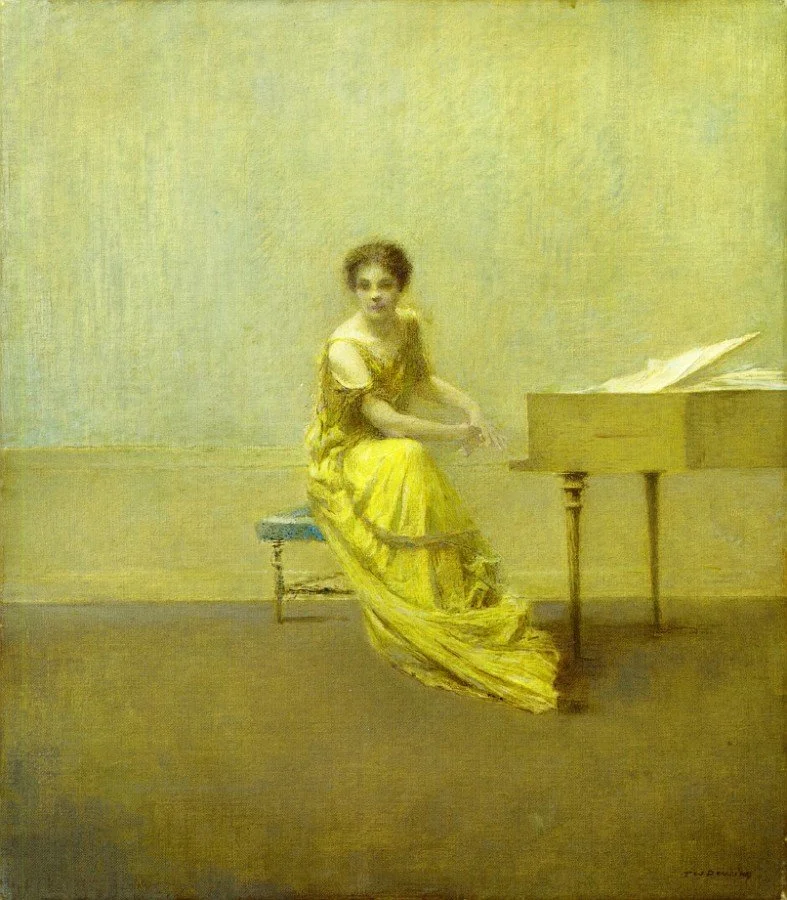
thomas wilmer dewing
the music lesson
“I would teach children music, physics, and philosophy;
but more importantly music for in the patterns of music and all the arts are the keys to learning.”
Plato (428-347 B.C.E.)
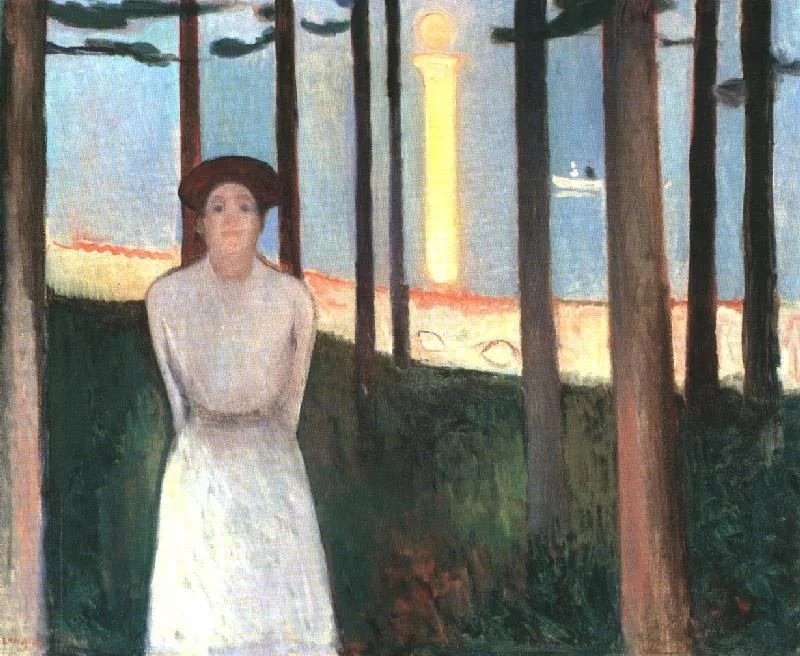
Edvard Munch
the voice, 1893.
“And those who were seen dancing were thought to be insane by those who could not hear the music.”
Friedrich Wilhelm Nietzsche (1844-1900)
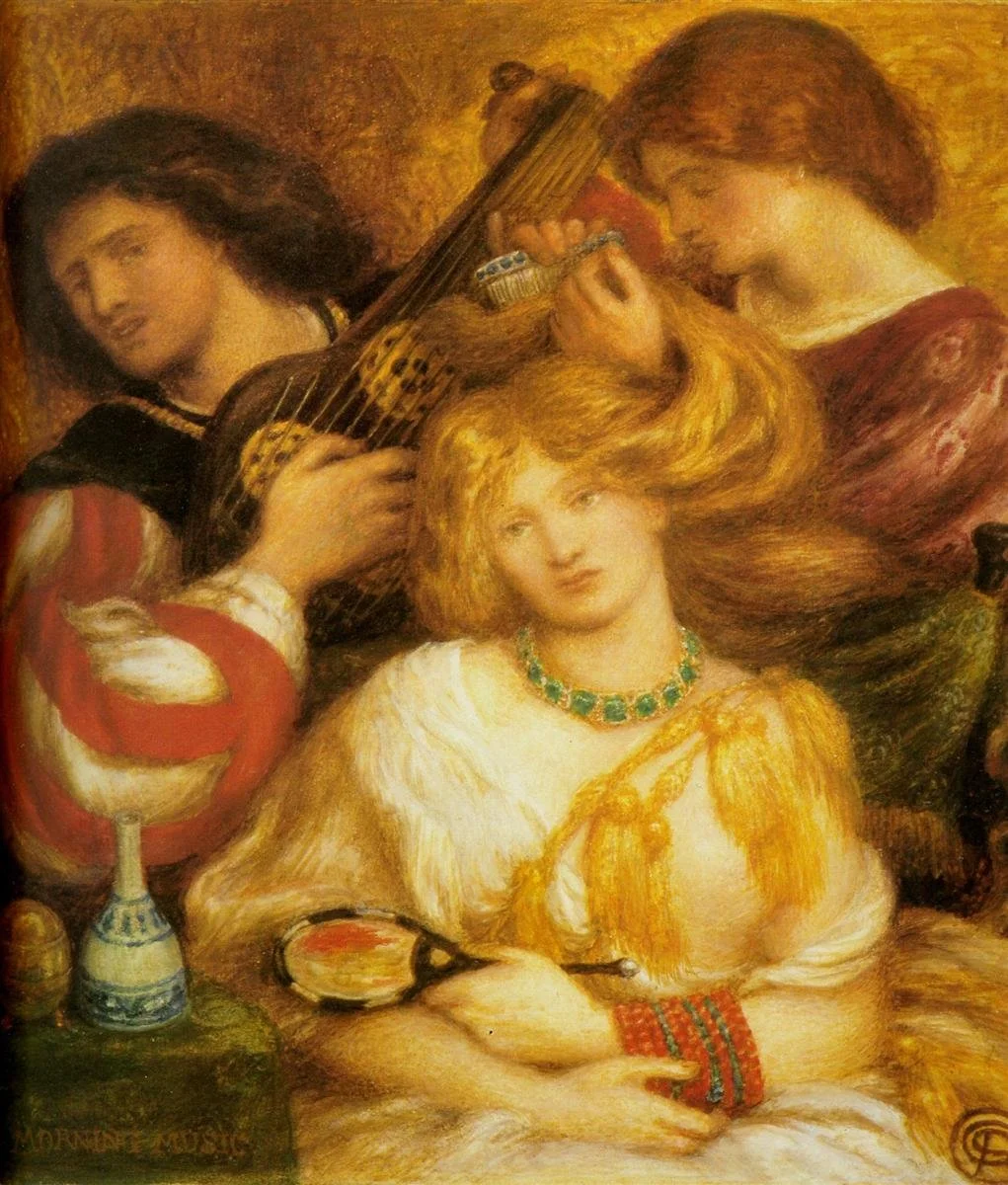
dante gabriel rossetti
morning music, 1864.
“I spend my life working with thoughts. And one problem that gives me no rest is: do these thoughts ever rise to the heights reached by authentic music?”
Abraham Joshua Heschel. (1907-1972)
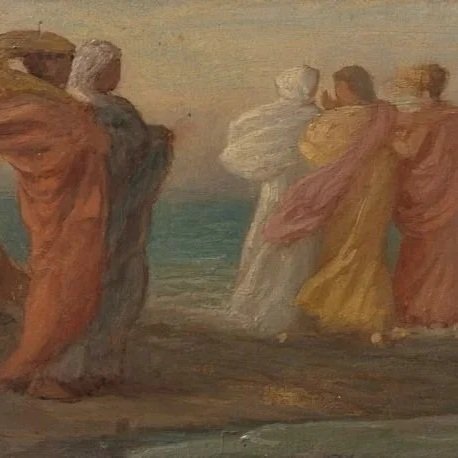
Elihu Vedder
The Music Party, 1875
“If I had to live my life again, I would have made a rule to read some poetry and listen to some music at least once a week; for perhaps the parts of my brain now atrophied could thus have been kept active through use.”
Charles Darwin (1809-1882)
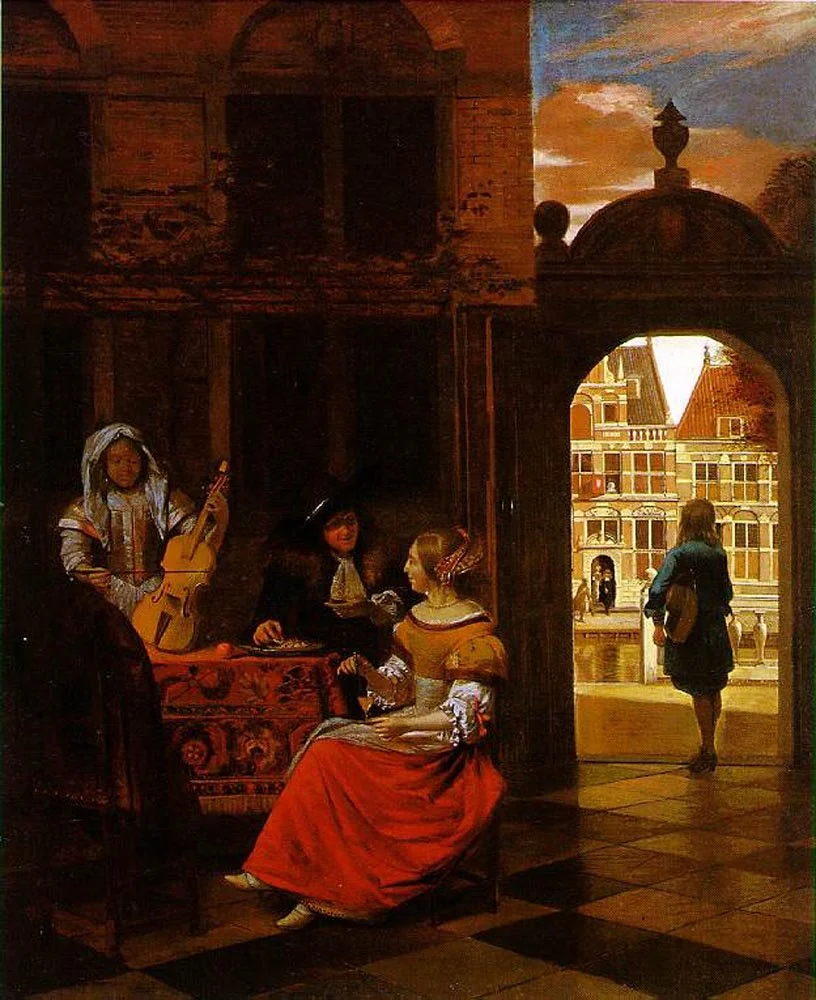
pieter de hooch
a musical party, 1677.
“Music can minister to minds diseased, pluck from the memory a rooted sorrow, raze out the written troubles of the brain, and with its sweet oblivious antidote, cleanse the full bosom of all perilous stuff that weighs upon the heart.”
William Shakespeare (1564-1616)
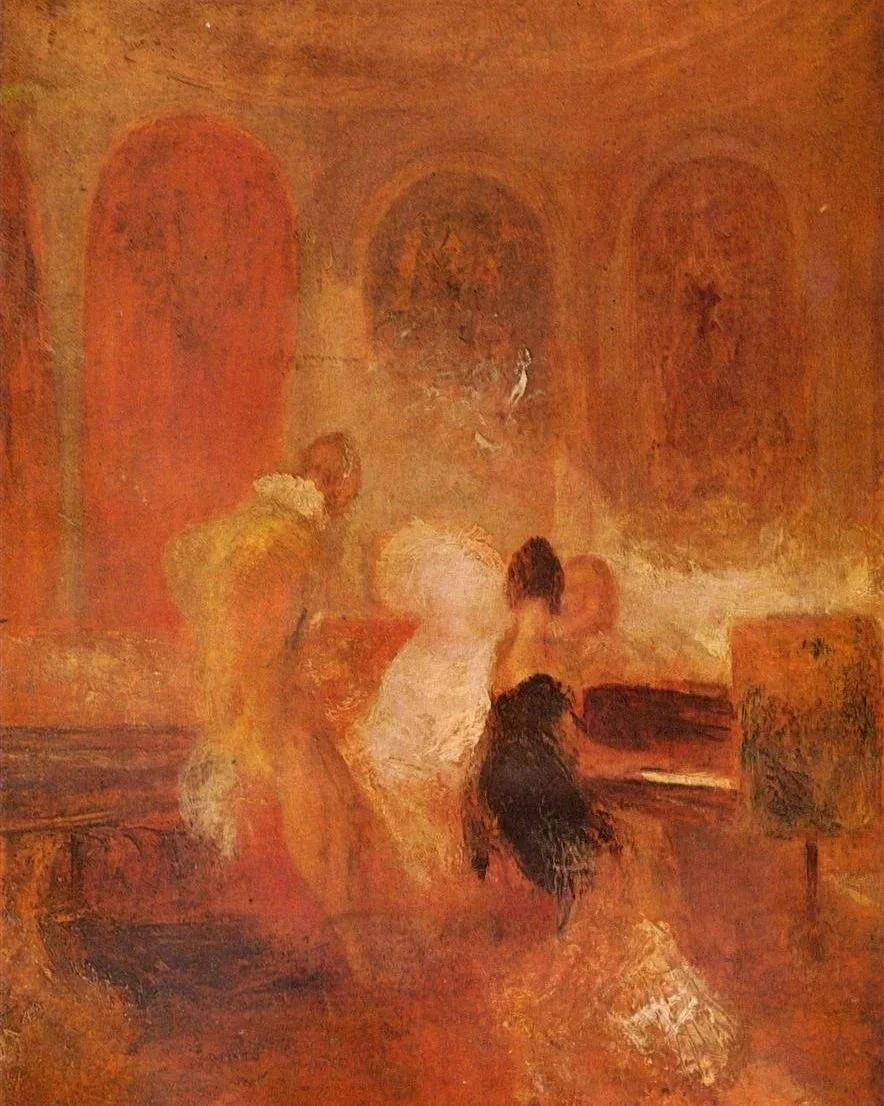
J.M.w. turner
music company, petworth, 1835.
“When I hear music, I fear no danger. I am invulnerable. I see no foe. I am related to the earliest times, and to the latest.”
Henry David Thoreau (1817-1862)
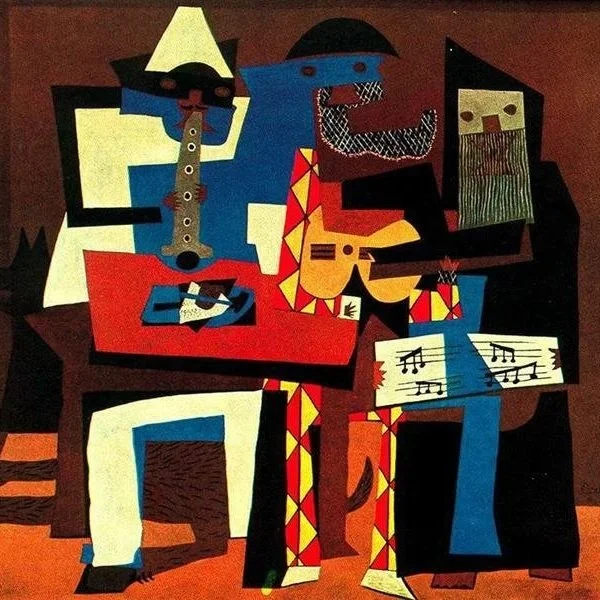
pablo picasso
musicians with masks, 1921.
“If I were not a physicist, I would probably be a musician. I often think in music. I live my daydreams in music. I see my life in terms of music.”
Albert Einstein (1879-1955)
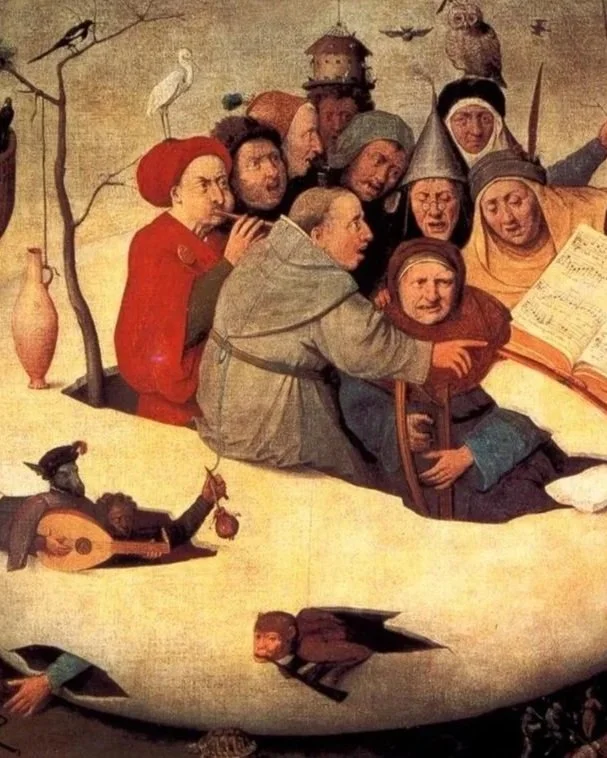
hieronymus bosch
the concert in the egg, 1480.
“It struck me recently, that one should really consider the sequence of a protein molecule about to fold into a precise geometric form as a line of melody written in a canon form & so designed by Nature to fold back into itself, creating harmonic chords of interaction consistent with biological function.”
Christian Anfinsen (1916-1995)
The thing about Music (and knowledge) is that when you share it with others, you do not deplete your own reserves. On the contrary, you enhance your knowledge by applying it to the diverse circumstances of those with whom you share it.
“Making music together is the best way for two people to become friends. There is none easier. That is a fine thing. I hope you and I shall remain friends. Perhaps you too will learn how to make fugues…”
Herman Hesse (1877-1962)
Marina de Moses